មគ្គុទ្ទេសក៍អាហារូបត្ថម្ភអ្នកប្រយុទ្ធ
ផ្គត់ផ្គង់សមត្ថភាពសម្រាប់កីឡាករគុនខ្មែរ — ពីក្របខ័ណ្ឌជីវជាតិដល់អាហារកម្ពុជាដែលបានផ្គត់ផ្គង់អ្នកប្រយុទ្ធជាច្រើនជំនាន់
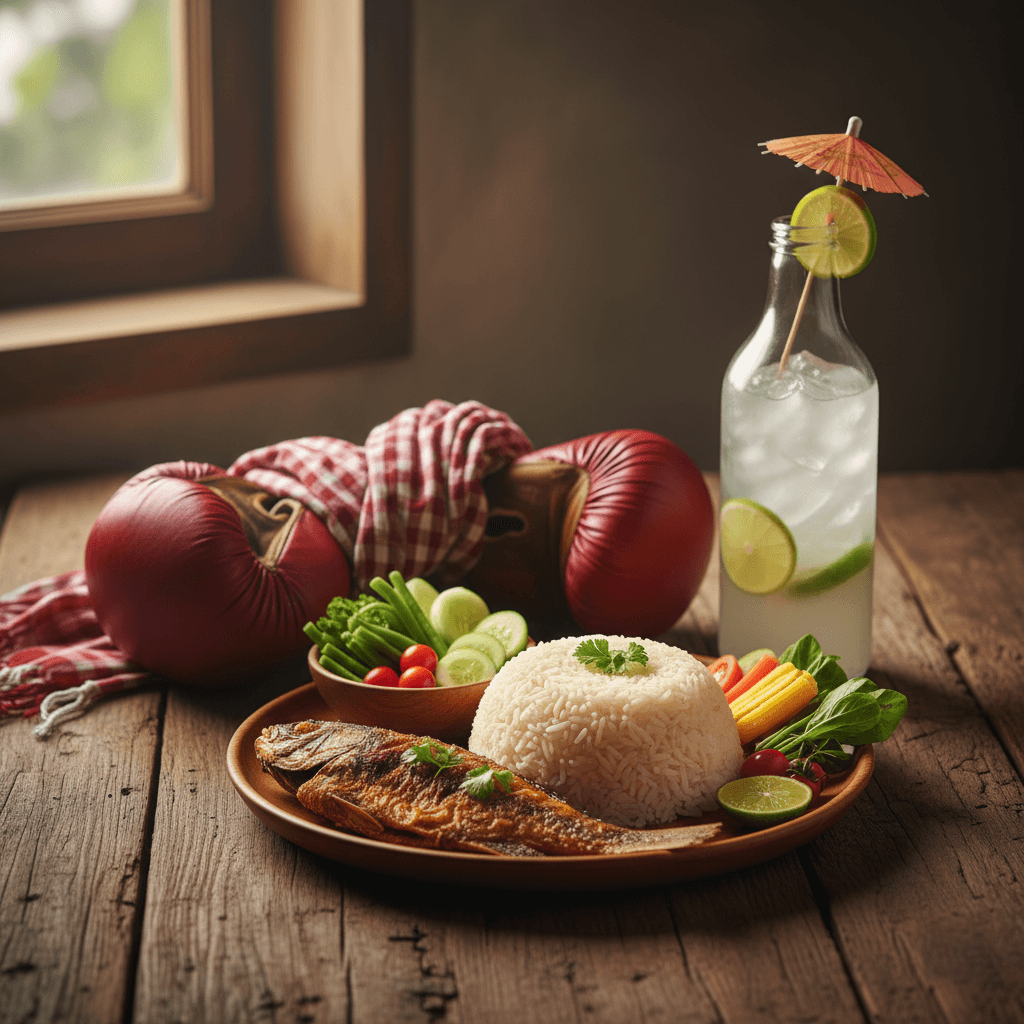
ការសម្តែងគុនខ្មែរកម្រិតខ្ពស់ ត្រូវការផ្គត់ផ្គង់កម្រិតខ្ពស់។ អ្នកប្រយុទ្ធដែលហ្វឹកហាត់ពីរដងក្នុងមួយថ្ងៃ ត្រូវការសារធាតុម៉ាក្រូដែលគ្រប់គ្រងយ៉ាងប្រុងប្រយ័ត្ន ពេលវេលាអាហារឆ្លាតវៃជុំវិញវគ្គ និង ការយល់ពីរបៀបដែលអាហារកម្ពុជាប្រពៃណី អាចគាំទ្រការហ្វឹកហាត់បរិមាណខ្ពស់។
ផ្នែកនេះគ្របដណ្តប់ក្របខ័ណ្ឌអាហារូបត្ថម្ភពេញលេញ៖ ម៉ាក្រូប្រចាំថ្ងៃសម្រាប់បន្ទុកហ្វឹកហាត់ផ្សេងៗ ពេលវេលាអាហារជុំវិញវគ្គ ផែនការអាហារគំរូដែលសាងលើអាហារសម្បទាន និង ពិធីការកាត់ទម្ងន់ និង អាហារូបត្ថម្ភប្រចាំថ្ងៃនៃសប្តាហ៍ប្រយុទ្ធ។
ពេលវេលាអាហារូបត្ថម្ភប្រចាំថ្ងៃ
ផែនការអាហារថ្ងៃហ្វឹកហាត់សម្រាប់អ្នកប្រយុទ្ធគុនខ្មែរ ៧០ គកWeight Cutting Guide
Safe protocols for making weight — 4-week gradual cuts, water manipulation, and rehydration strategies.
Fight Week Nutrition
Day-by-day eating plans from Monday through fight night, including weigh-in and rehydration protocols.
ក្របខ័ណ្ឌជីវជាតិធំ
គោលដៅប្រចាំថ្ងៃក្នុងមួយគីឡូក្រាមទម្ងន់ខ្លួន
Protein
1.6 - 2.2 g/kg body weight
Purpose: Muscle repair, recovery, and immune function
Key sources: Chicken, fish (trey), pork, eggs, tofu, lentils
Higher end during hard training camps. Space intake across 4-5 meals for optimal absorption. Post-training protein is critical for recovery from the tissue damage caused by heavy bag work and sparring.
Carbohydrates
4 - 7 g/kg body weight
Purpose: Primary fuel for high-intensity training and competition
Key sources: Rice (bai), sweet potatoes, fruit, rice noodles (num banh chok), cassava
Scale with training intensity: 4 g/kg on rest days, 5-6 g/kg on moderate training days, 7 g/kg on double sessions. Prioritize complex carbs earlier in the day and faster-digesting sources around training.
Fats
0.8 - 1.2 g/kg body weight
Purpose: Hormone production, joint health, sustained energy
Key sources: Coconut oil, peanuts, fish, avocado, coconut milk (in curries and amok)
Never drop below 0.8 g/kg even during a cut — low fat intake disrupts testosterone and hormone balance, which impairs recovery and performance. Omega-3s from fish are especially important for reducing inflammation from training.
Daily Calorie Targets (70kg Fighter)
Heavy Training Day
2,800 - 3,200
kcal
Moderate Training Day
2,400 - 2,800
kcal
Rest Day
2,000 - 2,400
kcal
ផែនការអាហារថ្ងៃហ្វឹកហាត់គំរូ
សម្រាប់អ្នកប្រយុទ្ធគុនខ្មែរ ៧០គក ដែលមានវគ្គពីរក្នុងមួយថ្ងៃ
6:00 AM — Pre-Morning Training
Bai sach chrouk (grilled pork with rice)
1.5 cups jasmine rice, 120g grilled pork loin, sliced cucumber, pickled vegetables. 550 kcal, 35g protein, 70g carbs, 12g fat.
9:00 AM — Post-Morning Training
Protein shake with banana and coconut water
30g whey protein, 1 banana, 300ml coconut water, 1 tbsp peanut butter. 380 kcal, 35g protein, 45g carbs, 10g fat.
12:00 PM — Lunch
Samlor korko (traditional Khmer mixed vegetable soup) with rice
2 cups rice, large bowl of samlor korko with prahok, fish, and vegetables (moringa, green papaya, pumpkin). 650 kcal, 38g protein, 85g carbs, 14g fat.
3:00 PM — Pre-Afternoon Training Snack
Rice with scrambled eggs and fruit
1 cup rice, 3 scrambled eggs, 1 mango or papaya. 480 kcal, 22g protein, 60g carbs, 16g fat.
6:30 PM — Post-Afternoon Training
Amok trey (steamed fish curry) with rice
2 cups rice, generous portion of amok trey (fish steamed in coconut curry with slok ngor leaves). 620 kcal, 40g protein, 75g carbs, 16g fat.
9:00 PM — Evening Snack
Fruit with sticky rice and coconut
Sticky rice with coconut milk, sliced mango. Small portion. 280 kcal, 5g protein, 50g carbs, 8g fat.
Daily totals (approximate): 2,960 kcal | 175g protein (2.5 g/kg) | 385g carbs (5.5 g/kg) | 76g fat (1.1 g/kg)
ផែនការអាហារថ្ងៃសម្រាកគំរូ
បន្ថយការទទួលកាបូអ៊ីដ្រាតដើម្បីផ្គូផ្គងការចំណាយថាមពលដែលបានកាត់បន្ថយ
7:30 AM — Breakfast
Kuy teav (Cambodian noodle soup)
Rice noodle soup with pork broth, lean pork slices, bean sprouts, herbs. 420 kcal, 28g protein, 50g carbs, 10g fat.
10:30 AM — Mid-Morning Snack
Fresh fruit and nuts
Papaya, pineapple, and a handful of cashews. 220 kcal, 5g protein, 30g carbs, 10g fat.
1:00 PM — Lunch
Lok lak (stir-fried beef with pepper-lime sauce)
150g beef, 1.5 cups rice, fresh vegetables, pepper-lime dipping sauce. 560 kcal, 40g protein, 60g carbs, 14g fat.
4:00 PM — Afternoon Snack
Num pang (Cambodian baguette sandwich)
Baguette with grilled chicken, pickled vegetables, cilantro, chili. 380 kcal, 25g protein, 45g carbs, 10g fat.
7:00 PM — Dinner
Steamed fish with ginger and vegetables
Whole steamed fish (tilapia or catfish), 1 cup rice, steamed morning glory with garlic. 480 kcal, 42g protein, 45g carbs, 12g fat.
Daily totals (approximate): 2,060 kcal | 140g protein (2.0 g/kg) | 230g carbs (3.3 g/kg) | 56g fat (0.8 g/kg)
អាហារកម្ពុជាបុរាណសម្រាប់អ្នកប្រយុទ្ធ
អាហារដែលបានផ្គត់ផ្គង់អ្នកចម្បាំងខ្មែរជាច្រើនសតវត្សរ៍
Bai Sach Chrouk
បាយសាច់ជ្រូកGrilled pork with rice — Cambodia's iconic breakfast dish. Slow-grilled pork served over broken rice with pickled vegetables.
Fighter Benefit
Excellent pre-training fuel. High in protein and carbohydrates, easy to digest. The broken rice provides sustained energy for morning sessions.
Amok Trey
អាម៉ុកត្រីFish steamed in coconut curry with slok ngor leaves, lemongrass, and galangal, served in a banana leaf bowl.
Fighter Benefit
Outstanding protein source with anti-inflammatory spices. The coconut milk provides healthy fats, and the fish is rich in omega-3 fatty acids for recovery.
Prahok
ប្រហុកFermented fish paste — a cornerstone of Cambodian cuisine used as a condiment and cooking base.
Fighter Benefit
Rich in sodium (useful for hydration and electrolyte balance), protein, and beneficial gut bacteria from fermentation. Use in moderation during cutting phases due to high sodium.
Samlor Korko
សម្លកកូរTraditional mixed vegetable and fish soup considered Cambodia's national soup, containing moringa, green papaya, pumpkin, and other vegetables.
Fighter Benefit
Incredibly nutrient-dense. Moringa leaves are packed with vitamins and minerals. The variety of vegetables provides micronutrients critical for immune function during heavy training.
Num Banh Chok
នំបញ្ចុកKhmer rice noodles with fish-based green curry sauce, served with fresh herbs, banana flower, and bean sprouts.
Fighter Benefit
Excellent carbohydrate-rich recovery meal. The fish curry provides protein, and the fresh herbs and vegetables add vitamins and antioxidants.
Kuy Teav
គុយទាវRice noodle soup with pork or beef broth, fresh herbs, lime, and chili — Cambodia's beloved breakfast and snack soup.
Fighter Benefit
Easy to digest and hydrating. Great for rest days or as a light meal before weigh-ins. The broth provides sodium and the noodles offer easily accessible carbohydrates.
Trey Chean Choun
ត្រីចៀនជូនFried fish with sweet and sour sauce, often served with pickled vegetables.
Fighter Benefit
High-quality protein source. The sweet and sour sauce contains sugar for quick glycogen replenishment post-training.
Coconut Water
ទឹកដូងFresh coconut water, available everywhere in Cambodia from street vendors.
Fighter Benefit
Nature's electrolyte drink. Rich in potassium, magnesium, and sodium. Excellent for hydration during training and especially valuable during weight cuts for maintaining electrolyte balance.
មគ្គុទ្ទេសក៍សំណើម
សំខាន់ជាពិសេសក្នុងអាកាសធាតុត្រូពិកកម្ពុជា
Baseline daily intake
35-40 ml per kg of bodyweight (2.5-2.8L for a 70kg fighter)
Start sipping water first thing in the morning. Clear to pale yellow urine indicates adequate hydration.
During training
150-250 ml every 15-20 minutes
In Cambodia's tropical heat, sweat losses can exceed 1.5L per hour. Add electrolytes to water during sessions longer than 60 minutes.
Post-training rehydration
1.5x the fluid lost during training
Weigh yourself before and after training. For every 1 kg lost, drink 1.5L of fluid over the next 2-3 hours.
Before bed
250-500 ml water
Enough to prevent overnight dehydration without disrupting sleep with bathroom trips.
Cambodia's heat factor: Training in Cambodia's tropical climate (average 30-35°C with high humidity) dramatically increases fluid and electrolyte losses. Fighters training in open-air gyms — which is the norm across Cambodia — can lose 2-3% of body weight per session through sweat alone. This makes proactive hydration essential, not optional. Coconut water is widely available and provides a natural, cost-effective electrolyte solution that has been used by Cambodian fighters for generations.
ពេលវេលាអាហារជុំវិញការហ្វឹកហាត់
ពេលដែលអ្នកញ៉ាំសំខាន់ស្ទើរតែដូចអ្វីដែលអ្នកញ៉ាំ
Pre-Training (2-3 hours before)
What: Balanced meal: moderate protein, high carbs, low fat, low fiber
Example: 1.5 cups rice, 100g grilled chicken, small portion of vegetables
Provides sustained energy without gastrointestinal distress. The carbohydrates top off glycogen stores, and the protein begins the amino acid pool.
Pre-Training (30-60 minutes before)
What: Small, easily digestible carb source
Example: A banana, a few dates, or a small piece of sticky rice
Tops off blood sugar levels for immediate energy. Avoid anything heavy that might cause nausea during intense training.
Intra-Training (during sessions over 90 minutes)
What: Electrolyte drink with 30-60g carbs per hour
Example: Coconut water mixed with a pinch of salt, or a sports drink
Maintains blood glucose and prevents dehydration. Critical during double sessions or in Cambodia's intense heat.
Post-Training (within 30-60 minutes)
What: 20-40g protein + 0.5-1g/kg carbohydrates
Example: Protein shake with banana, or bai sach chrouk if a whole meal is preferred
The post-training window is when muscles are most receptive to nutrients. Protein kickstarts repair, carbohydrates restore glycogen, and the combination reduces cortisol.
Post-Training (2-3 hours after)
What: Full balanced meal with protein, carbs, fats, and vegetables
Example: Amok trey with 2 cups rice and a side of vegetables
Continues the recovery process with a comprehensive nutrient profile. This meal is where you rebuild from the session.